


What Is the Average Cost of a HVAC System? A Clear Guide for Homeowners
One of the most common questions homeowners ask is:
“What is the average cost of a HVAC system?”
It’s a fair question — but it’s also one that doesn’t have a single, universal answer. Unlike appliances with standard pricing, HVAC systems are custom-sized, professionally installed, and tailored to each individual home. That means the true cost of a new heating and cooling system depends on several important factors.
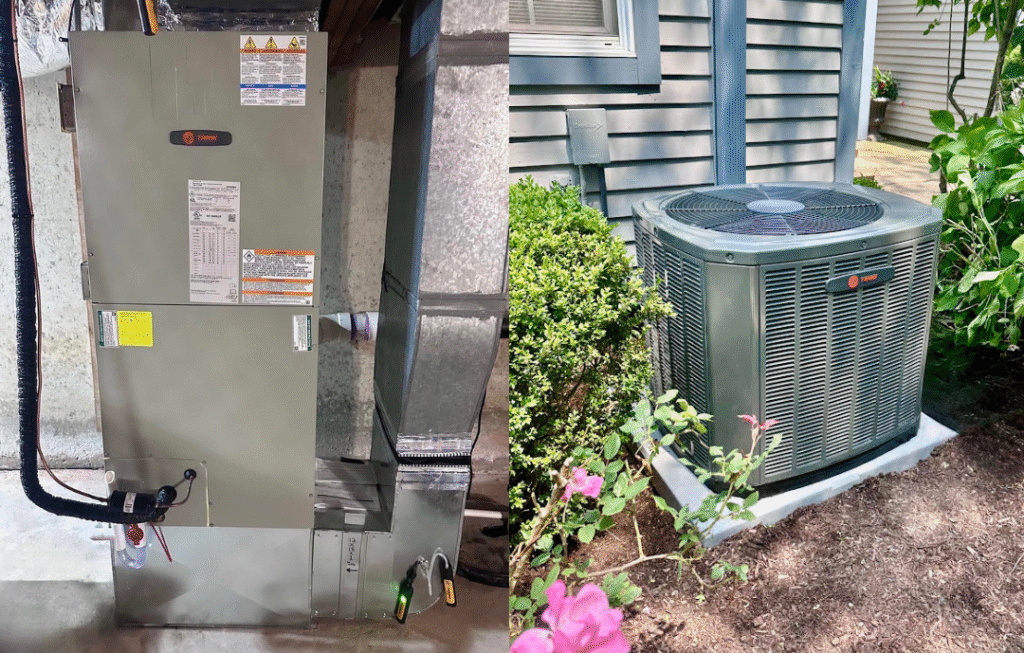
In this guide, we’ll explain what goes into the average cost of a HVAC system, why pricing varies so much from house to house, and what homeowners should consider before requesting a quote.
Why There Is No One “Average” HVAC System Cost
When searching online, it’s easy to find articles listing flat prices for HVAC systems. However, those numbers often leave out critical details and can be misleading.
The reality is that HVAC system pricing is highly case-specific. Two homes of similar size can receive very different estimates based on layout, insulation, system type, and installation complexity.
That’s why professionals evaluate each home individually rather than relying on generic averages.
Key Factors That Affect the Average Cost of a HVAC System
Understanding what impacts HVAC pricing helps homeowners know what questions to ask — and what actually matters.
1. Type of HVAC System
First and foremost, the type of system you choose plays a major role in overall cost. Common options include:
- Split systems (furnace and central air)
- Heat pump systems
- Ductless mini-split systems
- Packaged HVAC units
- Geothermal heating and cooling systems
Each system has different equipment requirements, installation methods, and efficiency levels. As a result, the average cost of a HVAC system can vary widely depending on which option best fits your home.
2. Size of the Home and System Capacity
HVAC systems must be properly sized to the home. A system that is too small will struggle to maintain comfort, while an oversized system can short cycle and waste energy.
Factors that affect system sizing include:
- Square footage
- Ceiling height
- Number of rooms
- Insulation quality
- Window size and placement
Because system capacity directly affects equipment selection and installation time, it has a significant impact on overall cost.
3. Existing Ductwork Condition
Homes with existing ductwork may still require repairs, sealing, or resizing to support a new system. In some cases, ductwork may need to be added or replaced entirely.
Alternatively, homes without ducts may be better suited for ductless systems. These differences can greatly influence the final cost and installation approach.
4. Energy Efficiency and System Features
Higher-efficiency systems often include advanced features such as:
- Variable-speed motors
- Enhanced humidity control
- Smart thermostat compatibility
- Zoning capabilities
While these features can improve comfort and reduce energy usage, they also influence system selection and pricing. The right balance depends on homeowner priorities, long-term goals, and how the home is used.
5. Installation Complexity
Not all HVAC installations are equal. The difficulty of the install plays a large role in cost considerations.
Installation complexity may increase due to:
- Limited access to mechanical spaces
- Electrical or gas line upgrades
- Structural modifications
- Local code requirements and permits
Professional installers evaluate these factors during an in-home assessment to ensure safe and compliant installation.
What Homeowners Are Really Paying For
When asking “What is the average cost of a HVAC system?”, it’s important to understand that you’re paying for more than just equipment.
A professional HVAC installation typically includes:
- Proper system sizing and design
- Removal of old equipment
- Safe electrical and fuel connections
- Refrigerant handling
- System testing and commissioning
- Manufacturer warranty registration
Cutting corners during installation can lead to comfort issues, higher energy bills, and premature system failure.
How to Get an Accurate HVAC System Cost
The best way to determine the cost for your home is through a free, in-home HVAC evaluation. During this visit, a licensed technician can:
- Assess your current system
- Evaluate your home’s layout and insulation
- Discuss comfort concerns and goals
- Recommend system options tailored to your needs
From there, you’ll receive a detailed quote based on your specific home — not a generic average.
Frequently Asked Question
What is the average cost of a HVAC system for a home?
The average cost of a HVAC system varies from home to home. Factors such as system type, home size, energy efficiency, and installation requirements all play a role. The most accurate way to determine cost is to schedule a professional evaluation and receive a custom quote.
Focus on Value, Not Averages
In conclusion, while homeowners often ask “What is the average cost of a HVAC system?”, the more important question is what system is right for your home. Every house is different, and HVAC pricing reflects that reality.
Instead of relying on generalized averages, homeowners should focus on system performance, efficiency, and proper installation. If you’re considering a new HVAC system or replacement, contacting a trusted professional for a free quote ensures you receive accurate information tailored to your home.